
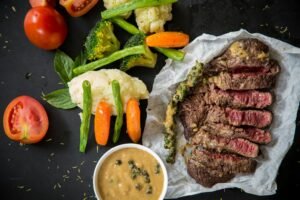
 Lean muscle means strong, defined muscles with minimal body fat — think of a fit, toned, athletic body. To build lean muscle, you need the right protein sources, strength training, deep sleep, and balanced nutrition.
1. How Protein Builds Muscle
Protein is the building block of your body.
When you exercise, your muscles undergo micro-tears. Your body uses amino acids from protein to repair and grow those muscles — this leads to lean muscle growth, not fat gain.
2. How Much Protein Do You Need for Lean Muscle?
Protein needs vary by lifestyle:
Activity Level | Protein Needed |
Normal lifestyle | 0.8 – 1.0g/kg |
Regular exercise | 1.2 – 1.6g/kg |
Strength training | 1.6 – 2.2g/kg |
Example: If you weigh 70 kg and strength train, you need 112–140g protein/day.
3. Best Protein Sources
Animal-Based Proteins
- Egg – 6–7g protein each
- Fish (ruhi, tilapia, salmon)
- Chicken breast
- Milk, yogurt, paneer, beef, mutton
These are high-quality, complete protein sources.
Plant-Based Proteins
- Lentils, chickpeas, kidney beans, oats
- Peanuts, almonds, chia seeds, flax seeds
- Brown rice + dal combo = complete protein
Supplements
- Whey protein: Fast digestion (ideal post-workout)
- Casein: Slow digestion (ideal before sleep)
- Plant-based protein: For vegans
But real food should be your main source — use supplements only when necessary.
4. Sample Lean Muscle Diet Plan
Meal | Example Meal | Protein |
Breakfast | 2 eggs + oats + banana | 20g |
Lunch | Brown rice + dal + chicken + vegetables | 35g |
Snack | Green tea + nuts or roasted chickpeas | 10g |
Dinner | Roti + egg/fish + vegetables | 25g |
Before bed | 1 glass milk or whey protein | 15g |
Total: 100–120g protein/day
5. Workout Tips for Lean Muscle
- Strength training 3–5 days/week
- Include bodyweight exercises like push-ups, squats, planks
- Add compound exercises like squats, deadlifts, pull-ups
- Don’t skip rest days — muscles grow during recovery
6. Sleep & Recovery
After protein intake and exercise, your body builds muscle during sleep.
Aim for 7–8 hours of quality sleep daily
Lower stress to support muscle recovery
7. Common Misconceptions
- “More protein = more muscle” — Not true without proper workouts
- “Supplements alone are enough” — Real food matters more
- “Fat belly = no muscle gain” — With the right diet & metabolism, fat loss + muscle gain is possible
“Muscles aren’t built in the gym, they’re built in the kitchen and shaped by recovery.”
To build lean muscle:
Eat the right protein
Follow proper training
Get deep sleep
Do these 3 consistently, and you’ll see real transformation.