
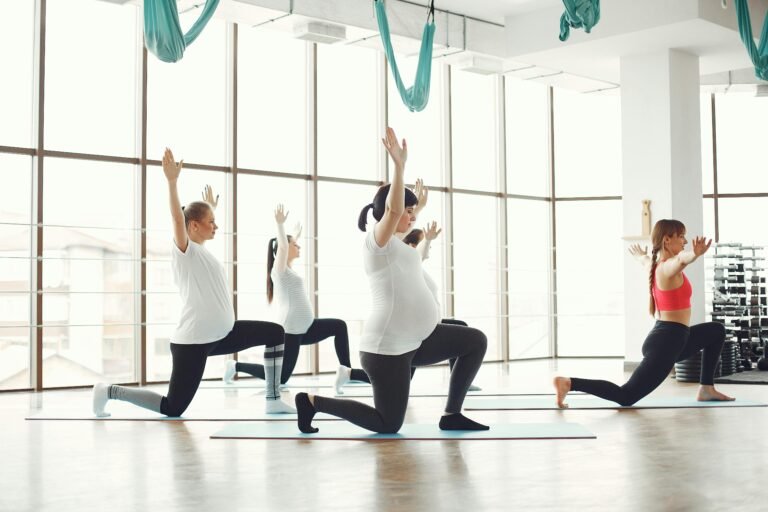
Pregnancy is a beautiful journey, but it brings changes—not just physically, but emotionally as well. Many mothers worry that exercising during pregnancy might harm the baby. The truth is quite the opposite: when done safely and with proper guidance, exercise is highly beneficial for both the mother and the baby.
However, consulting a doctor before starting any workout is essential. Every pregnancy is different, and only your healthcare provider can confirm what’s safe for you.
Benefits of Exercise During Pregnancy
Regular, gentle exercise can help reduce or prevent many common pregnancy discomforts:
- Relieves back and hip pain
- Reduces bloating and swelling
- Prevents or controls gestational diabetes and high blood pressure
- Improves sleep quality and mental relaxation
- Helps manage weight gain
- Builds strength and stamina for labor and delivery
- Boosts emotional well-being and confidence
When to Avoid Exercise
Immediately stop exercising and consult a doctor if you experience:
- Nausea or dizziness
- Bleeding or spotting
- Abdominal pain or cramping
- Shortness of breath or chest pain
- Sudden swelling of hands, feet, or face
- Signs of early labor
Listen to your body. You’re not exercising alone—you’re exercising for two.
Safe Exercises for Pregnant Women
Here are pregnancy-safe exercises that support both physical and mental well-being:
1. Walking
A safe and effective way to stay active.
- Try 20–30 minutes daily
- Boosts circulation
- Keeps your energy levels up
- Helps reduce joint stiffness
2. Prenatal Yoga
Yoga improves flexibility and calms the mind.
👉 25–30 minutes daily
- Reduces back pain and leg cramps
- Improves sleep
- Decreases stress and anxiety
3. Kegel Exercises
Strengthens pelvic floor muscles for childbirth.
👉 Practice for 30–40 minutes spread throughout the day
- Supports bladder control
- Prepares the body for labor
- Speeds up post-birth recovery
4. Pelvic Tilts
Helps reduce lower back pain.
👉 25–35 minutes daily
- Strengthens back muscles
- Improves posture
- Can be done on hands and knees or lying on your back
5. Low-Impact Aerobics
Light, rhythmic movements without jumping.
👉 20–30 minutes
- Increases heart rate safely
- Keeps the body flexible
- Follow videos or prenatal classes online
6. Swimming
The safest full-body pregnancy workout.
👉 30 minutes daily (if possible)
- Gentle on joints
- Strengthens heart, lungs, and muscles
- Body feels lighter in water, easing movement
⚠️ Important Safety Tips
- Avoid running, jumping, or exercises that pressurize the belly
- Wear soft shoes and use a non-slip mat
- Use a chair for support if needed
- Stay hydrated before and after workouts
- Stop immediately if anything feels wrong
- Always follow your doctor’s advice
🌼 Final Thoughts
Exercising during pregnancy is not a risk—it’s a gift to both you and your baby. It prepares your body for labor, boosts emotional strength, and helps you recover faster postpartum.
Just remember:
“It’s not about pushing harder—it’s about moving smarter.”
Choose safe exercises that feel good to you, and make self-care a daily habit for a healthier, happier motherhood.