
From a young age, kids should be guided towards activities that help them grow stronger, more disciplined, and healthier. Teaching your child the habit of regular physical activity helps build a strong foundation for a lifetime of fitness and well-being.
Let’s explore the positives, negatives, and how to build a safe and fun workout routine for children.
✅ Positive Effects of Exercise on Kids
Exercise does so much more than just building physical strength. Here’s what your child gains:
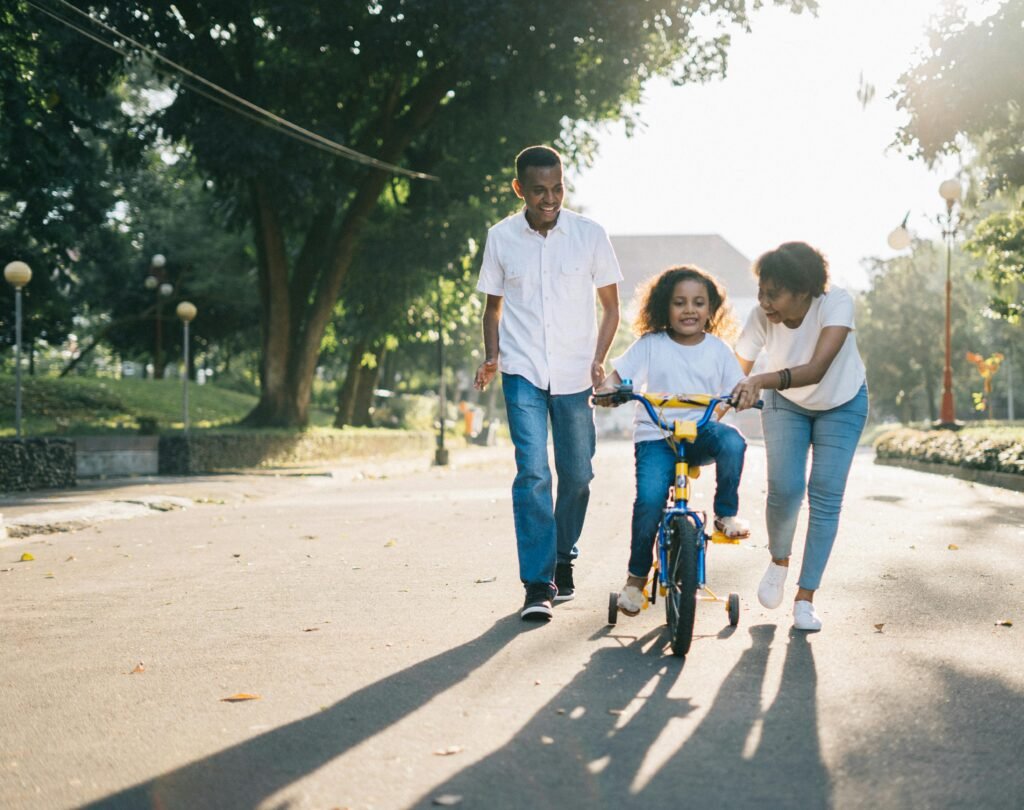
- Mental Development: Physical activity releases endorphins, the feel-good hormone. It helps kids stay happier, more focused, and even improves study concentration.
- Posture & Muscle Growth: Regular movement improves balance, posture, and muscle development. It even builds stronger bones to prevent future injuries.
- Better Coordination & Flexibility: Active children naturally develop better control over their body. This gives them a head start in sports and daily movement.
- Boosts Confidence: Many children grow up without confidence because they weren’t encouraged or guided early. Exercise builds confidence and a sense of achievement.
- Improves Social Skills: Group activities like games or exercise sessions improve communication and teamwork skills.
- Better Immunity & Health: An active child falls sick less often and enjoys a fit and energetic life.
⚠️ Possible Negatives (If Not Guided Properly)
Even something as good as exercise can become harmful if done wrong. Here’s what to avoid:
- Wrong Form Can Cause Injury: Kids don’t naturally know the right form. Without guidance, they can pull muscles or strain joints.
- Overtraining Hurts Growth: Too much intensity or repetition can negatively affect growing bones.
- Boredom from Repetition: Doing the same routine daily can bore children. That’s when they lose interest.
- Lack of Parental Support: If parents don’t give time or encouragement, kids quickly lose motivation and stop altogether.
💡 How to Avoid the Negatives
- Supervise or get help from a certified trainer or experienced parent.
- Add variety to routines—include games like football, swimming, or cricket.
- Keep it fun, not forced. Let kids enjoy the activity.
- Keep sessions short and light: Just 15–20 minutes is enough for most kids.
- Encourage but never pressure them.
🧠 Beginner-Friendly Child Fitness Routine
Here’s a simple weekly guide that covers everything from warm-up to cooldown:
1. Warm-Up (5 Minutes)
Before any movement, warming up is a must—even for kids.
- Neck Rolls (Clockwise & Anticlockwise): 10 seconds
- Light Jogging in Place: 1 minute
- Arm Circles, Toe Touches: 3–4 minutes
2. Body Awareness & Balance Training
These exercises improve coordination, core control, and overall movement:
- Bear Crawl: Crawling forward with hands and feet
- Frog Jumps: Squat and jump like a frog
- Crab Walk: Move with hands and feet facing upwards
- Star Jumps: Jump while spreading arms and legs wide
Note: Kids won’t get these perfect on day one. Be patient—train slowly and encourage them.
3. Strength & Muscle Coordination (No Equipment Needed)
- Squats (10–12 reps): Builds leg strength and posture
- Wall Sit (10–15 seconds): Improves lower body endurance
- Arm Circles: Strengthens shoulder and arm stamina
- Bird-Dog: Builds core and back stability
- Standing Knee Lifts: Good for leg-core coordination
Do 2–3 sets of these for basic strength.
4. Cardio for Heart & Lung Health
- Jumping Jacks: 15–20 times
- Skipping Rope: 1–2 minutes
- Running in Place: 30–60 seconds
- Zigzag Cone Run (if space available): Fun way to improve agility
These improve blood circulation, stamina, and lung capacity.
5. Cool Down & Stretching (5 Minutes)
- Deep Breathing: Inhale through the nose, exhale through the mouth
- Forward Bend Stretch
- Cat-Cow Stretch
- Child’s Pose
These reduce the chance of injury and relax the body & mind.
🧸 Final Words
Fitness isn’t just about the body—it’s also about mental focus, mood, and character. Let your child exercise before school or during evening playtime for just 20–30 minutes a day. But make sure it always feels fun and playful—not like a chore.
A strong, healthy child today becomes a confident, energetic adult tomorrow.