
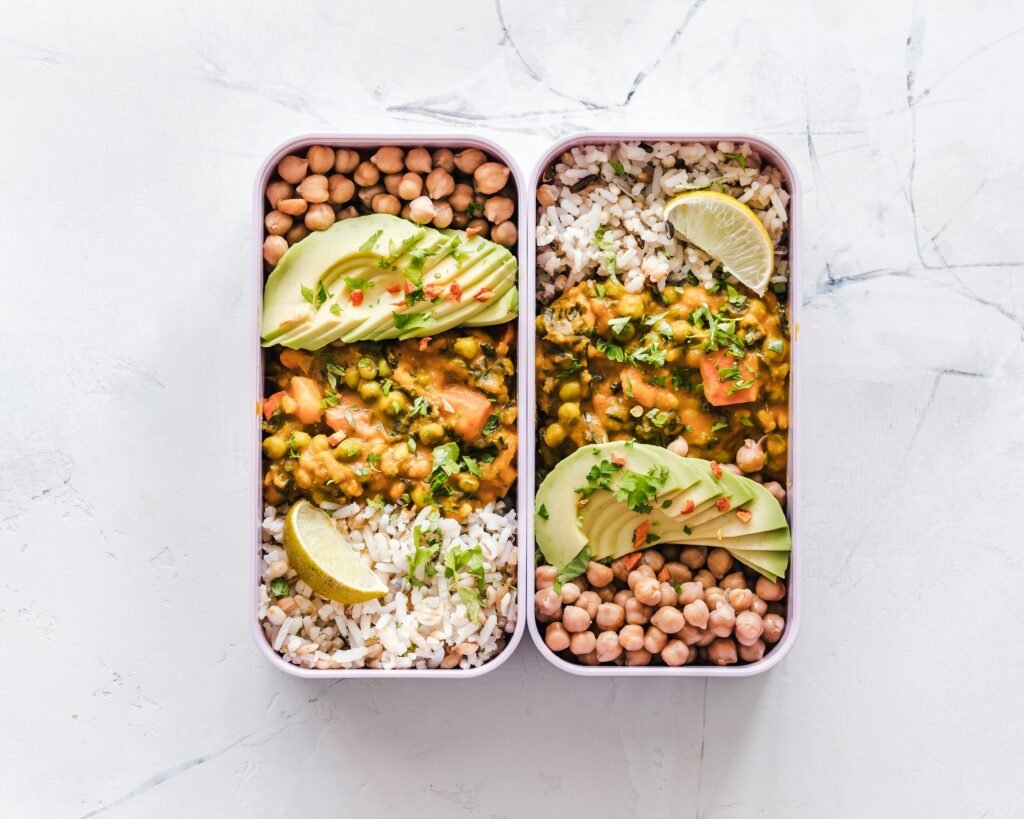
These budget-friendly tips can be both helpful and affordable. They benefit your health and mind, and also reduce food waste. Eat when necessary, but don’t waste food. By following some basic rules, you can adapt to this routine easily.
- Weekly Meal Planning
When we go grocery shopping, we often end up buying unnecessary items. Shopping without a plan increases costs. It’s a good idea to plan meals for 3–5 days in a week. For example, you can use leftover dinner for the next day’s lunch.
- Choose Affordable Nutritious Foods
Affordable nutrition means foods that provide both protein and other nutrients. For example:
- Lentils contain protein and fiber.
- Beans, chickpeas, and peas are affordable and nutritious.
- Eggs offer healthy fats and protein.
- Vegetables that are available all year round are often affordable.
- Rice, puffed rice (muri), and wheat flour are also cost-effective options.
- Buy in Bulk (Wholesale Packs)
Buying larger packs (like 1kg rice or lentils) saves money in the long run compared to small packets, which are usually more expensive and run out faster.
- Make Recipes with Leftovers
Mix rice, lentils, and vegetables to make khichuri. You can use leftover chicken from dinner to make a sandwich the next day. Try to eat leftovers before they spoil to avoid food waste.
- Batch Cooking
Cook once and store food in the fridge for a few days. This saves time and gas. You’ll also reduce the need to eat outside.
- Avoid Fast Food and Processed Foods
Outside foods like biryani, burgers, fried chicken, and cold drinks are expensive and unhealthy. With the same money, you can make healthy homemade meals.
- Have Meatless Days
Try eating vegetarian meals 1–2 times a week. It’s good for your health, costs less, and feels lighter on your stomach. You can still get protein from lentils, eggs, and chickpeas.
- Cook with What You Already Have
Before buying something new, check if you already have ingredients that can be used. Often, delicious recipes can be made from what’s already in the kitchen.
- Control Food Portions
Overeating not only harms your body but also wastes food. Eat as much as you need—don’t let food go to waste.
Healthy food doesn’t have to be expensive. With the right planning, smart grocery shopping, and homemade cooking, you can save money, stay full, and feel good both physically and mentally.