
We often hear about organic and non-organic foods — both types come with their own advantages and drawbacks. Understanding their differences helps us make smarter and healthier choices.
What Is Organic Food?
Organic food is produced naturally, without using:
- Synthetic pesticides
- Chemical fertilizers
- Growth hormones
- Antibiotics
- Genetically Modified Organisms (GMOs)
Examples include:
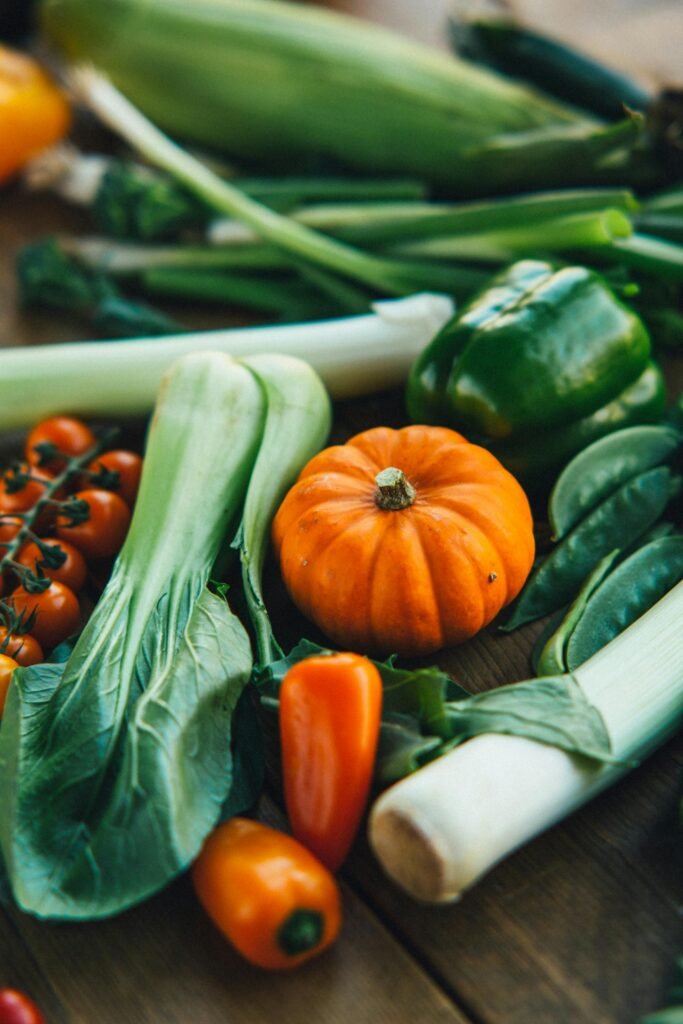
Organic vegetables and fruits
Organic eggs, milk, meat, beef, rice, etc.
What Is Non-Organic Food?
Non-organic food is grown or produced using:
- Chemical fertilizers
- Synthetic pesticides
- Hormones and antibiotics
- Genetically modified organisms
Most foods available in markets are non-organic:
Regular milk, fish, meat, and chemically treated fruits, vegetables, and rice.
Key Differences Between Organic & Non-Organic Foods
Feature | Organic Food | Non-Organic Food |
Fertilizers | Natural (compost, cow manure) | Chemical/Processed fertilizers |
Pesticides | Natural or minimal use | High use of synthetic pesticides |
Hormones/Antibiotics | Not used | Often used in animals |
GMOs | Not allowed | Commonly used |
Nutrition | Often higher in antioxidants & minerals | May have slightly lower nutrition |
Taste | More natural taste (many claim better) | Less flavor in some cases |
Price | More expensive | Budget-friendly |
Environmental Impact | Eco-friendly production | More pollution (soil, water, air) |
Benefits of Organic Food
- Fewer harmful chemicals
- May contain more nutrients (especially antioxidants)
- Often better taste and freshness
- Supports environmental health
- Safer for long-term consumption
Downsides of Organic Food
- More expensive due to natural production methods
- Limited availability in many regions
- Shorter shelf life (no preservatives)
Risks of Non-Organic Food
- Exposure to harmful chemicals
- Risk of hormone imbalance and antibiotic resistance
- May contain pesticide residues
- Taste and smell may not feel “natural”
Which Should You Choose?
If your budget allows, organic food is a healthier and eco-friendly choice.
However, if not always possible:
- Wash non-organic fruits and vegetables thoroughly
- Peel skin when necessary (especially apples, strawberries, spinach — which often have high pesticide residue)
- Buy from trusted local sources when you can
Organic food is better for your body and the environment, but may not always be practical for everyone. Make informed choices and listen to your body. Eating clean — whether organic or non-organic — starts with awareness.