
we know that among all our daily tasks, our legs do the most work. Whether it’s sitting, standing, or going somewhere, we always needs our legs. Even for outdoor games, jobs, careers and other things, having strong leg is essential.
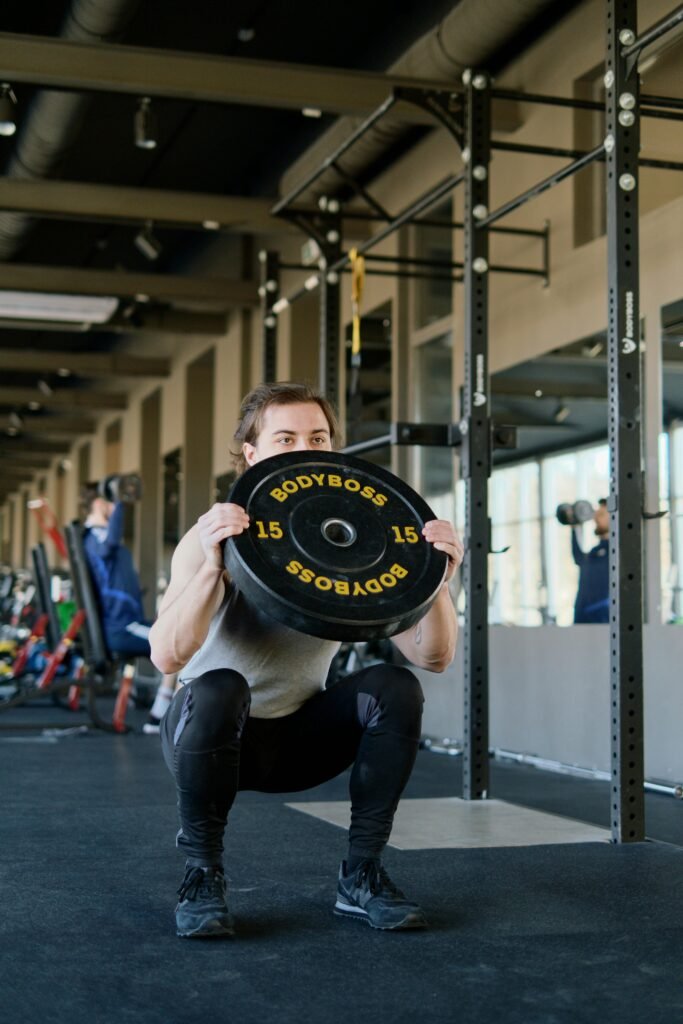
1: Full Lower Body Activation
In our daily lives, legs are one of the most used muscle groups. Squats activate your quads, hamstrings, calves and glutes all at once-helping to build strength and maintain full-body balance and stability.
2: Fat Burning + Muscle Building
Squats are one of the best exercise for fat burning and can be done anywhere-at home, is the gym or even at the office. They burn tons of calories and help shed while increasing muscle mass at the same time.
3: Myth About Glute Growth
some say squats automatically grow your core, lower back and glutes-but that’s only partially true. Muscle growth actually happens when you happy apply tension + resistance (like heavy weights) and the recover with proper nutrition and rest. Training legs every single day is not effective-muscle need time to rebuild and grow.
4: Improves Core Strength & posture
Squats activate your core and lower back muscle, helping to strengthen your midsection and improve your posture. A strong core leads to better body control and athletic performance.
5: Improve Core Strength & Posture
Heavy squats can increase testosterone and growth hormone levels, both of which helps in muscle growth, fat loss and even enhanced sexual performance. It’s a powerful compound movement with full-body impact.
6: Increase Bone Density
When you perform squats, the pressure on your bones helps increase their density over time. This reduces your risk of bone-related diseases like osteoporosis and improves joint strength and healthy.
How Many Squats Should You Do?
Many people get confused about the idea number of squats. It varies depending on your weight, experience level and variation used. If you’re lifting heavy, aim for 3 sets of 8-12 reps – where the last reps push you close to failure. For light or bodyweight, you can go for 15-20 reps or more. The key is to train until failure for maximum growth, no matter the style. Always start with lighter weight, especially if you’re a beginner. Gradually increase resistance to ensure progressive overload.
Top 7 Squat Variations for Massive leg Gains
1: Barbell Back Squat
The classic squat place a barbell across your upper back and go to deep. It engages your quads, hamstrings and glutes all at once. It’s best for strength and muscle growth, you can do this 3 sets of 8-12 reps with heavy weight. Many fear injuries from this squat, but if done with proper form form, it delivers incredible results. If you’re confident – definitely include this in your program!
2: Goblet Squat
Hold a dumbbell close to your chest and squat down. Great for core stability, quads and glutes. Do 3 sets of 10-15 reps (or until failure). Many people enjoy goblet squat because they feel more controlled and effective – even i love doing them!
3: Front Squat
Rest the barbell on the front of your shoulders. It’s build core strength and improves balance & posture. It’s easily do this 3 sets of 12-15 reps
4:Sumo Squats
stand with feet wider than shoulder-width and toes slightly out. Hold a dumbbell or barbell. Try this 3 sets of 12-15 reps, it’s target your glutes, inner thighs and hip mobility
5: Overhead squat
Hold a barbell overhead while squatting, it builds full-body balance, coordination and total strength. Only for advanced lifters due to injury risk. Beginners should avoid this until they gain proper strength and mobility.
6: Jump squat
Bodyweight only. Perform a squat, then jump explosively and land into the next rep. Builds explosiveness, burns fat and boosts mobility & strength. Do this 3 set of 15 reps.
7: Bulgarian split Squat
Place one leg behind you on a bench/chair, the other forward. Lower yourself down and back up. Targets quads, glutes and hamstrings deeply. You can do this with or without dumbbells. 3 sets of 12-15 reps.
Squat Guidelines You Must Follow
1: Warm-up properly before squatting-include dynamic stretching to avoid injury.
2: Never round back – always keep it straight.
3: Maintain Proper breathing technique, Inhale as you go down, exhale as you push up. Breathe through your mouth if possible for batter oxygen flow.
4: Don’t jump into heavy weights right away. Start light, master the form and gradually increase weight for progressive overload.
How to Stay Consistent with Your Exercise Routine
Struggling to stick to your workout plan? Here are simple, proven strategies to keep you motivated long term.